
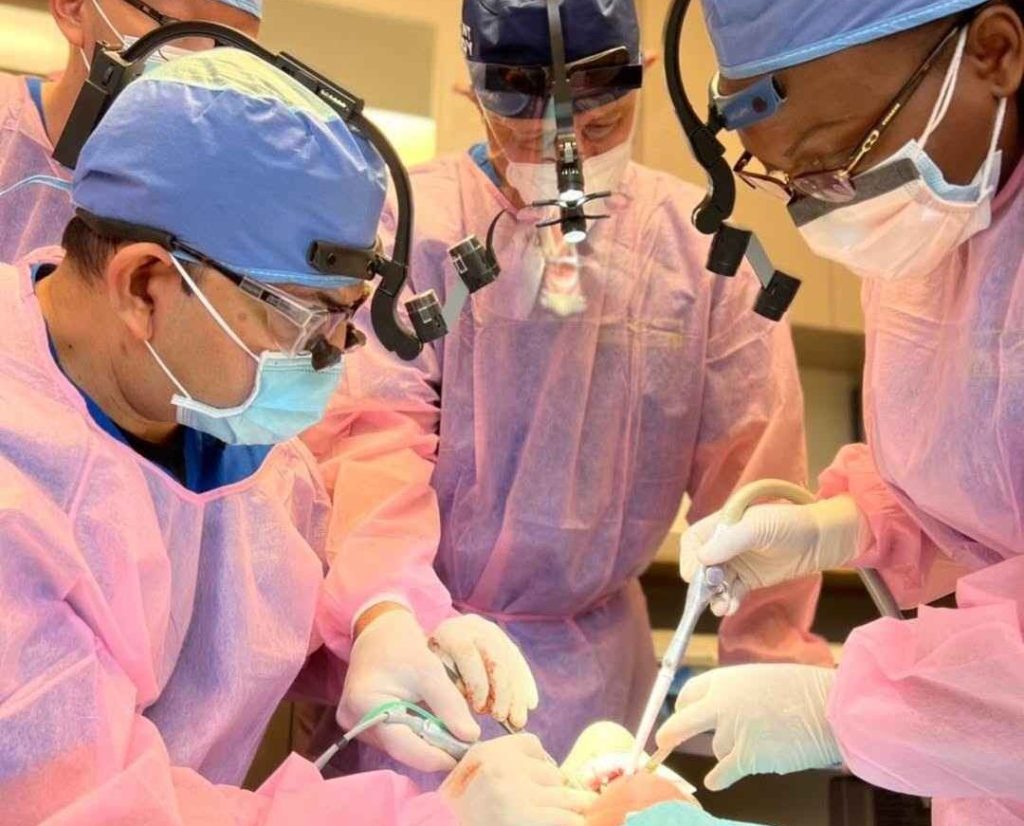
Dental implant selection is one of the most crucial clinical decisions in modern implant dentistry, as it directly impacts function, esthetics, long-term stability, and patient satisfaction.
Because implant outcomes depend on far more than surgical placement alone, advanced education pathways such as Live Hands On Implant Surgical Programs emphasize how to choose the right implant for each patient.
This guide to dental implants explains how oral surgery training programs approach implant selection, implant placement, and restoration, and long-term treatment planning in a way that supports predictable, high-success outcomes.
Why Choosing the Right Dental Implant Matters
Not all dental implants are the same, and selecting the right implant requires understanding anatomy, biomechanics, prosthetic requirements, and patient-specific risk factors. [1]
Clinical evidence shows that inappropriate implant selection increases the risk of complications, including implant failure, bone loss, and prosthetic instability.
In oral surgery education, implant selection is taught as part of a comprehensive dental implant treatment process that integrates diagnostics, surgical planning, and restoration. Live Hands On Implant Surgical Programs train dentists and oral surgeons to evaluate the entire treatment plan, not just the implant procedure itself.
How Live Hands On Implant Surgical Programs Teach Implant Selection
Live Hands-On Implant Surgical Programs focus on real-world decision-making rather than memorizing a specific dental implant system. Through advanced training, clinicians learn how implant design, surface technology, and prosthetic compatibility affect implant placement and long-term restoration success.
Training often builds on foundational education from a college of dentistry or general practice residency and is designed for dental professionals seeking postgraduate experience in oral implantology. These programs emphasize hands-on experience, advanced knowledge, and placing implants in a wide range of clinical scenarios.
What Factors Should Be Considered When Selecting a Dental Implant?
Bone Quality, Jawbone Anatomy, and Grafting Considerations
Bone density and jawbone volume are primary factors in implant selection. Adequate jawbone support is necessary to achieve primary stability during implant placement. Misch’s bone density classifications are commonly used to guide decisions related to implant diameter, length, and thread design. [2,3]
When bone volume is insufficient, grafting may be required before or during the dental implant procedure. Live Hands On Implant Surgical Programs train clinicians to recognize when grafting is indicated and how implant selection changes in grafted bone versus native bone.
Implant Surface Technology and Osseointegration
Modern dental implants use surface treatments designed to promote faster and more predictable osseointegration. Research shows that moderately rough implant surfaces improve bone-to-implant contact and overall success rate, particularly in patients with compromised bone. [4,5]
Understanding how surface technology affects healing time and loading protocols is a core component of training in implant dentistry.
Implant Size, Tooth Replacement Goals, and Prosthetic Needs
Implant dimensions are selected based on the type of dental restoration being planned. A single missing tooth may require a different specific dental implant than cases involving multiple teeth or full-arch rehabilitation. Short and narrow implants can be effective alternatives in anatomically limited areas when supported by evidence-based planning. [6,7]
Oral surgery education emphasizes aligning implant size with prosthetic demands, occlusal forces, and long-term maintenance.
How Patient Medical History Influences Implant Selection
A thorough review of medical history is essential before initiating implant therapy. Conditions such as uncontrolled diabetes, smoking, and osteoporosis are associated with increased risk of complications and delayed healing. [8,9]
Live Hands-On Implant Surgical Programs train implant specialists and general dentists to assess systemic risk factors and adjust implant treatment plans accordingly. This includes evaluating sedation needs, dental surgery timing, and appropriate treatment options for medically complex patients.
Implant Placement, Restoration, and Long-Term Outcomes
Implant Placement and Restoration Planning
Successful outcomes depend on coordinated implant placement and restoration planning. Internal connection implants are associated with improved stability and reduced microleakage compared to external connections, contributing to long-term prosthetic success. [10]
Training programs emphasize collaboration between the implant dentist and restorative dentist to ensure the final restoration functions like natural teeth.
Single Tooth, Multiple Teeth, and Full-Arch Solutions
Implants can replace a single tooth, multiple teeth, or support full-arch restorations for patients with advanced tooth loss. Implant-supported prostheses offer advantages over traditional denture options, including improved chewing efficiency and bone preservation. [11,12]
For patients looking for a full-arch solution like All-on-4, Live Hands On Implant Surgical Programs teach how fewer implants can support a fixed prosthesis while maintaining a high success profile.
Patient Experience, Maintenance, and Long-Term Care
Dental implants allow patients to chew comfortably, speak clearly, and restore their smile in a way that closely mimics natural tooth function. With proper care and maintenance, implants can last a long time and support a healthy smile. [13]
Patients are educated on home care practices such as brushing, flossing, and routine cleanings to reduce the risk of complications. Long-term success also depends on ongoing dental care and periodic evaluations using X-ray imaging or 3D scan diagnostics. [14]
Education, Credentials, and Professional Standards in Implant Dentistry
Organizations such as the American Academy of Implant Dentistry AAID) establish educational standards that support safe, evidence-based implant dentistry. Many Live Hands On Implant Surgical Programs align with AAID principles, emphasizing experience in implant dentistry, diagnostics, and prosthetic planning.
Advanced training helps dentists transition from general practice to implant specialists while maintaining ethical standards and patient safety.
Frequently Asked Questions About Dental Implant Selection
How do dentists choose the right dental implant?
Dentists evaluate bone quality, jawbone anatomy, prosthetic goals, medical history, and treatment time to choose the right implant for each case. [15,16]
Are dental implants better than dentures?
Dental implants provide improved stability, preserve bone, and function more like natural teeth compared to removable denture options. [17]
Do dental implants have a high success rate?
Yes. When properly planned and placed by a qualified professional, dental implants demonstrate a high success rate across a wide range of clinical scenarios. [18]
How long does dental implant treatment take?
Treatment time varies depending on bone condition, grafting needs, and restoration type, but Live Hands On Implant Surgical training teaches clinicians how to streamline implant therapy safely.
Conclusion
Learning how to pick dental implants requires more than product knowledge. It demands advanced training, clinical judgment, and an evidence-based approach to implant placement and restoration. Live Hands On Implant Surgical Programs provide the hands-on experience and structured education needed to deliver predictable outcomes, minimize risk, and support long-term patient success.
Dental Implant Learning Center is committed to advancing implant education through comprehensive programs that support dentists, oral surgeons, and implant professionals seeking excellence in modern implant dentistry.
References:
- https://www.smiledesigndentistry.com/are-all-dental-implants-created-equal-understanding-the-differences/
- https://pocketdentistry.com/bone-density-for-dental-implants/
- https://adalyadentalclinic.com/bone-density-for-dental-implants/
- https://www.mdpi.com/2079-6412/15/1/109
- https://link.springer.com/article/10.1186/s40729-019-0156-8
- https://www.nusetdentalimplants.com/dental-implant-sizes/
- https://ab-dent.com/what-are-the-advantages-and-disadvantages-of-short-dental-implants/
- https://journals.sagepub.com/doi/abs/10.1177/20501684221112493
- https://www.todaysrdh.com/a-hygienists-review-of-obtaining-medical-clearance-before-dental-treatment/
- https://repositorio.unesp.br/server/api/core/bitstreams/523b68c9-ec78-44ff-b3d7-53cd3065a016/content
- https://www.westmountdentalwaterloo.com/dental-implants-single-vs-multiple-treatment-options
- https://saugeenshoresfamilydentistry.com/services/implant-dentistry/
- https://www.drcaudry.ca/2025/01/17/will-your-dental-implants-look-and-feel-like-natural-teeth/
- https://www.netmeds.com/c/health-library/post/the-importance-of-good-oral-hygiene
- https://3dimplantclinic.com/who-makes-a-good-candidate-for-implant-dentures/
- https://gentledental.interdent.com/blog/discover-what-goes-into-ensuring-a-successful-implant-procedure
- https://www.peakdentalarts.com/blog/dental-implants-vs-dentures-which-option-is-right-for-you/
- https://www.saskatoonsmilesgroup.com/exploring-the-success-rate-of-dental-implants/