
Key Skills Covered in a Live Hands On Implant Surgical Program
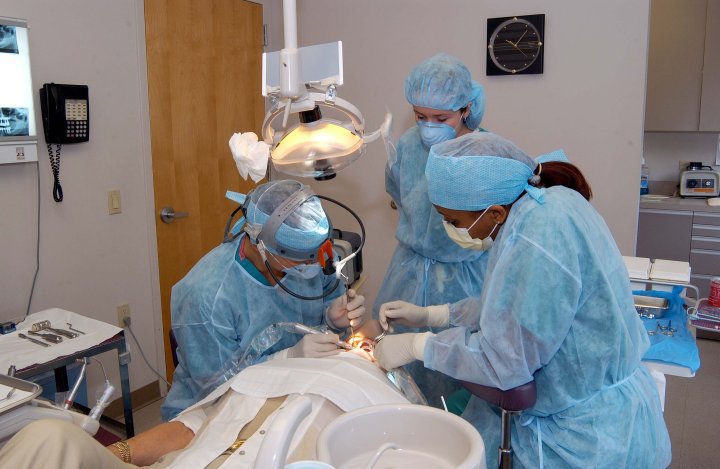
A Live Hands On Implant Surgical Program is a focused continuing education (CE) program designed to help general dentists build confidence and skill in performing surgical procedures. Unlike traditional lectures, this program offers a blend of theory and live, hands-on training, allowing you to apply what you learn directly in a clinical setting.
This type of training is ideal for general dentists who want to expand their surgical capabilities beyond basic extractions. Through expert guidance, you can gain experience in areas such as implant placement, bone grafting, sinus lifts, and flap management, all of which are essential for successful implant and restorative dentistry.
It’s a rewarding way to grow both your clinical skills and your practice’s service offerings.
If you’re aiming to move beyond routine procedures and start managing implant and grafting cases independently, enrolling in a Live Hands On Implant Surgical Program is a smart next step.
Core Surgical Skills Taught in a Mini Residency
A Live Hands On Implant Surgical Program is designed to help general dentists build a strong foundation in both basic and advanced surgical techniques. The program focuses on real-world skills that you can apply immediately in your practice, from simple extractions to more advanced procedures like implant placement and bone grafting.
One of the key areas covered is the basic root form surgical protocol, which teaches the step-by-step process of safely and effectively placing dental implants. You’ll also learn flap manipulation techniques, including how to create and close flaps properly to ensure faster healing and better aesthetic results. In addition, training in guided implant surgery helps you plan and perform implant procedures with greater accuracy and confidence using modern digital tools.
What makes the mini residency so valuable is its balanced approach to learning. You’ll attend interactive lectures for theoretical understanding, join detailed case planning sessions to improve treatment decisions, and participate in live surgical experiences under expert supervision. This combination of classroom and hands-on learning helps you master each procedure with both confidence and precision.
Extractions and Socket Preservation
One of the most valuable parts of a Live Hands On Implant Surgical Program is learning how to perform surgical extractions with confidence, including more complex cases like impacted teeth removal. These procedures require precision and a clear understanding of anatomy to minimize trauma and promote faster healing. Through hands-on surgical extraction training, dentists gain practical experience in flap design, bone removal, and sectioning techniques that make extractions safer and more efficient.
After an extraction, maintaining the bone structure is key to long-term success, especially if a dental implant will be placed later. This is where socket preservation becomes essential. In this training, you’ll learn techniques for ridge maintenance, such as carefully cleaning the socket and filling it with bone grafting material to prevent bone loss.
You’ll also practice using different grafting materials, like allografts, xenografts, or synthetic options, and placing resorbable membranes to protect and stabilize the graft during healing. These steps are critical for preserving ridge integrity and ensuring that patients have a strong, healthy foundation for future implant placement.
Implant Surgery Fundamentals
A major highlight of a Live Hands On Implant Surgical Program is learning the step-by-step process of implant surgery, from treatment planning to suturing. For general dentists who want to expand their clinical skills, this training offers a structured, hands-on approach that builds both confidence and precision.
You’ll start with case planning, learning how to evaluate bone density, anatomical structures, and patient health to choose the best implant system and surgical approach. The program then guides you through each stage of implant placement, including incision design, flap elevation, osteotomy preparation, implant insertion, and suturing for optimal healing.
Another key component is immediate load implant surgery, where the implant and temporary crown are placed in the same appointment, and immediate extraction and implant placement, which preserves bone and shortens treatment time. These advanced procedures require careful planning, strong surgical skills, and an understanding of biomechanics, all of which are covered in the course.
The residency also emphasizes aseptic technique, flap design, and the use of guided implant surgery systems, which improve accuracy and predictability. You’ll also learn how to manage complications, such as implant instability or soft tissue issues, so you can handle real-world challenges with confidence.
Bone Grafting and Ridge Augmentation Techniques
Successful implant dentistry starts with a strong foundation, and that means having enough healthy bone to support the implant. In the Live Hands On Implant Surgical Program, dentists gain in-depth, hands-on training in bone grafting and ridge augmentation techniques, which are essential for building stable bone structure before implant placement.
You’ll learn how to work with different graft materials, including autogenous grafts (taken from the patient’s own bone), allografts (from human donors), and xenografts (from animal sources). Each material has unique benefits, and understanding when and how to use them helps you achieve predictable results.
The course covers ridge augmentation and onlay bone grafting, which are used to restore bone volume in areas with resorption or defects. You’ll also gain experience using membranes that protect graft sites and promote guided bone regeneration, ensuring proper healing and long-term stability.
Another valuable skill included in the training is bone spreading, which allows for implant placement in narrow ridges without the need for block grafts. These advanced grafting techniques help prepare you for complex implant procedures, such as sinus lifts and immediate implant placements.
Sinus Grafting and Osteotome Techniques
Placing implants in the upper back jaw can be challenging due to limited bone height and the proximity of the sinus. That’s why learning sinus grafting and osteotome techniques is such an important part of a Live Hands On Implant Surgical Program. These procedures help dentists safely and effectively prepare the posterior maxilla for implant placement.
During the program, you’ll receive comprehensive instruction on both lateral window sinus grafting and crestal (internal) sinus lift techniques. You’ll learn how to carefully evaluate sinus anatomy using imaging tools like CBCT scans, identify potential complications, and plan your approach for safe and predictable outcomes.
The osteotome technique, a minimally invasive method, is also covered in detail. This technique allows you to gently elevate the sinus floor through the implant osteotomy site, making it ideal for cases with moderate bone height. It helps reduce surgical trauma and healing time while still allowing for successful implant placement.
Through hands-on training, you’ll practice creating surgical access, managing sinus membranes, and placing graft materials to increase bone volume under the sinus. This experience prepares you to handle posterior maxillary implant cases with confidence, reducing complications and improving long-term success rates.
Soft Tissue Management and Suturing Skills
Strong soft tissue skills are essential for successful oral surgery and implant procedures. In the Live Hands On Implant Surgical Program, you’ll receive focused, hands-on training in suturing, flap manipulation, and soft tissue grafting to help you achieve both functional and esthetic success.
You’ll start by learning how to design and manage surgical flaps to ensure proper access and visibility while minimizing trauma to the surrounding tissue. Proper flap manipulation also supports faster healing and better long-term stability around implants and grafts.
The program also covers suturing techniques, including simple interrupted, continuous, and mattress sutures, so you can achieve tension-free closure, which is key to preventing wound dehiscence and infection. You’ll gain the confidence to perform sutures that are secure yet gentle enough to protect delicate tissues.
In addition, the course introduces soft tissue grafting procedures such as subepithelial connective tissue grafts and free gingival grafts, which are important for improving gum thickness, coverage, and aesthetics around implants. Through hands-on practice, you’ll refine your precision and develop muscle memory for smoother, more predictable outcomes in clinical settings.
Complication Management and Patient Safety
Every oral surgery, no matter how carefully planned, carries some level of risk. That’s why the Live Hands On Implant Surgical Program at the Dental Implant Learning Center places a strong focus on complication management and patient safety. Learning how to recognize and respond to challenges during and after surgery is one of the most valuable skills a dentist can have.
You’ll start by developing a solid foundation in patient assessment, learning how to evaluate medical histories, medications, and potential risk factors before surgery. This helps ensure that every procedure is performed safely and appropriately. The program also covers pain control and anesthesia techniques, giving you the confidence to keep patients comfortable and calm throughout treatment.
Hands-on sessions and case discussions will teach you how to identify and manage surgical complications such as excessive bleeding, nerve injury, sinus exposure, or infection. You’ll also learn proper emergency response protocols, including how to act quickly and effectively when unexpected situations arise.
For dentists handling comprehensive prosthetic or implant cases, the course provides real-world strategies to manage complications and guide recovery, helping patients achieve successful, long-lasting results. With expert mentorship and case reviews, you’ll also build the clinical judgment needed to prevent problems before they occur.
Hands-On Experience and Clinical Mentorship
One of the biggest advantages of joining an Live Hands On Implant Surgical Program is the chance to gain hands-on experience under the guidance of skilled mentors. At the Dental Implant Learning Center, you won’t just sit through lectures, you’ll actively participate in live surgical sessions where you can apply what you’ve learned in real clinical settings.
These sessions are conducted under expert supervision, allowing you to perform procedures like extractions, grafting, flap manipulation, and implant placement with direct support and feedback. Having an instructor beside you helps ensure that you develop the right techniques safely and efficiently.
The program is designed in a small-group format, so each participant gets personalized attention. This setup allows for detailed case discussions, immediate correction of technique, and one-on-one mentorship, giving you the confidence to perform similar surgeries in your own practice.
You’ll also benefit from clinical observation, where you can watch complex cases being performed by experienced instructors. This visual learning approach helps reinforce key principles and gives you a deeper understanding of how to handle various patient scenarios.
How Oral Surgery Skills Enhance Everyday Practice
Learning oral surgery skills doesn’t just make you a better clinician, it transforms the way you practice dentistry every day. Through the Live Hands On Implant Surgical Program at the Dental Implant Learning Center, general dentists can expand their scope of care and take on more advanced procedures with confidence.
By mastering skills like extractions, bone grafting, implant placement, sinus lifts, and soft tissue surgeries, you can offer a wider range of services directly in your practice. This means your patients can receive comprehensive treatment under one roof, from simple extractions to full implant restoration, without needing outside referrals.
Providing more in-house procedures also leads to better patient retention and case acceptance. Patients feel more comfortable knowing that the dentist they already trust can handle their surgical and implant needs. It also enhances treatment efficiency and continuity of care, improving overall satisfaction and long-term outcomes.
In addition, expanding your surgical expertise helps you build a strong professional reputation as a full-service provider in implant and oral surgery. With advanced training and real clinical experience, you can confidently take on complex cases, attract new patients, and grow your practice’s value and credibility.
Enroll at Dental Implant Learning Center
The Live Hands On Implant Surgical Program at the Dental Implant Learning Center (DILC) is designed to help general dentists gain hands-on confidence in advanced oral surgery and implant procedures.
This comprehensive continuing education (CE) program combines lectures, case reviews, and live surgical training, giving you real experience in procedures such as extractions, bone grafting, sinus lifts, flap manipulation, and implant placement. Led by expert instructors, each session focuses on safety, precision, and practical application in everyday clinical practice.
The program is ideal for dentists who want to expand their treatment offerings and provide full-service care for their patients. Upon completion, participants receive CE certification, boosting their credentials and clinical expertise in oral surgery and implant dentistry.
If you’re ready to advance your skills, build confidence, and grow your practice, this is the perfect next step.
Enroll in the Live Hands On Implant Surgical Program at Dental Implant Learning Center and master the key skills for successful implant dentistry.