
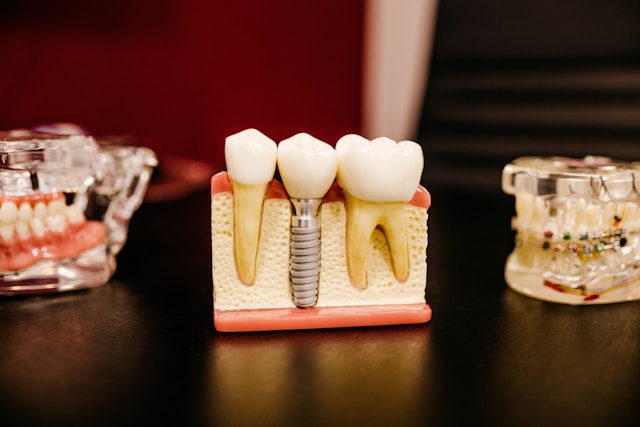
Dental implants are becoming one of the most popular solutions for replacing missing teeth. More patients are choosing implants over dentures or bridges because they look and feel like natural teeth. As a result, the demand for skilled dentists who can perform implant procedures is rising.
General dentists can help meet this growing need by offering dental implants as part of their practice. It not only allows you to offer more treatment options but also improves patient satisfaction and increases your practice’s revenue. However, performing dental implants requires specialized training. That’s why choosing the right dental implant training program is essential.
Key Factors to Look for in a High-Quality Dental Implant Training Program
Not all implant training courses are the same. When choosing a program, consider the following factors:
- Hands-On Training: The best courses offer live patient training, allowing you to practice under expert supervision.
- Comprehensive Curriculum: A good program should cover everything from patient evaluation to surgical placement and post-care.
- Accreditation & CE Credits: Ensure the course is recognized by dental organizations and offers continuing education (CE) credits.
- Expert Instructors: Learn from experienced professionals who have performed many implant procedures.
- Flexible Learning Options: If you have a busy schedule, look for programs that offer online or hybrid learning options.
You can get the skills and confidence you need to give your patients high-quality implant treatments if you choose the right dental implant training program.
Key Features of a Top Dental Implant Training Course
Selecting the appropriate training program is very important if you are a general dentist wanting to learn dental implant procedures. A high-quality dental implant training course should offer hands-on surgical training, an evidence-based curriculum, mentorship opportunities, and CE accreditation. Below, we’ll go over these key features in detail.
1. Hands-On Surgical Training
The best way to learn dental implants is through hands-on experience. A good training program should allow you to practice placing implants on real patients under the supervision of experienced instructors. This helps you build confidence and develop the necessary surgical skills.
For example, the Dental Implant Learning Center offers live surgical training where participants work on real patients under expert guidance. Their program provides step-by-step instruction, covering implant placement, bone grafting, and sinus lifts, ensuring that general dentists gain practical experience.
2. Evidence-Based Curriculum and Case Studies
A strong training course should be based on scientific research and proven techniques. Implant dentistry is constantly evolving, so you need a program that teaches the latest advancements and best practices.
Programs from Dental Implant Learning Center provide a comprehensive curriculum that includes lectures, case studies, and clinical applications. Their training covers treatment planning, implant selection, and surgical techniques, ensuring that dentists are equipped with up-to-date knowledge.
3. Mentorship and Continued Education Opportunities
Learning doesn’t stop after completing a training course. The best programs offer mentorship and ongoing education, so you can continue improving your skills.
Some courses, like those offered by the Dental Implant Learning Center, provide continued support through advanced courses and mentorship opportunities. This helps general dentists refine their techniques and stay current with new implant innovations.
4. CE Credits and Accreditation by Recognized Dental Organizations
A high-quality implant training course should be accredited by reputable dental organizations and offer Continuing Education (CE) credits. CE credits help you meet licensing requirements and show that you’ve completed recognized training.
The Dental Implant Learning Center provides ADA CERP and approved courses, ensuring that participants receive accredited CE credits that contribute to their professional growth.
When selecting a dental implant training program, make sure it includes hands-on training, an evidence-based curriculum, mentorship opportunities, and CE accreditation. Programs from the Dental Implant Learning Center provide all these essential features, helping general dentists gain the skills and confidence needed to offer high-quality implant treatments.
General dentists who want to grow their practice and offer more comprehensive care must carefully choose the right dental implant training course. Training programs vary in format, duration, and depth, catering to different learning preferences and schedules. Below is an overview of some top-rated courses, along with a comparison between university-based and private institute training.
The Best Dental Implant Training Courses for General Dentists
A. In-Person Dental Implant Training Programs
In-person training offers hands-on experience, allowing dentists to practice procedures under expert supervision. Here are some notable programs:
1. AAID Maxicourse in Las Vegas
Location: Las Vegas, Nevada
Duration: 300 hours
Key Benefits: This comprehensive program provides a thorough understanding of diagnostic and treatment modalities necessary for dental implant procedures. It includes hands-on sessions, a cadaver dissection laboratory module, and preparation for the AAID Associate Fellow/Fellow exam.
2. AAID Maxicourse in New York
Location: New York
Duration: 300 hours
Key Benefits: Designed to give a comprehensive understanding of modalities necessary to treat patients with dental implants, this course utilizes case-based and hands-on learning methods, including interactive seminars, patient treatment, and cadaver dissection. It also prepares participants for the AAID Associate Fellow/Fellow membership examination.
3. Three Day Live Implant Surgery in NJ
Location: Englewood, New Jersey
Duration: 3 days
Key Benefits: This course offers a thorough understanding of surgical diagnosis and treatment for patients requiring dental implants. Participants perform live dental implant surgeries on patients provided by the center, gaining practical experience in implant placement and bone grafting.
B. Online & Hybrid Dental Implant Training Courses
For dentists seeking flexibility, online and hybrid programs combine virtual learning with occasional hands-on sessions. These formats allow practitioners to learn at their own pace while still gaining practical experience.
1. Dental Implant Learning Center Online Modules
Format: Hybrid (online lectures with in-person hands-on sessions)
Key Benefits: These courses offer foundational knowledge through online modules, supplemented by in-person practical sessions. This structure allows dentists to balance their practice while advancing their implantology skills.
2. Other Online Platforms
Format: Fully online or hybrid
Key Benefits: Various institutions offer online courses focusing on implant dentistry, covering topics like treatment planning, surgical techniques, and prosthetics. It’s essential to ensure these programs provide accredited continuing education (CE) credits and opportunities for hands-on practice.
C. University-Based vs. Private Institute Training
When choosing a training program, dentists often consider whether to enroll in university-based courses or those offered by private institutes. Each has its advantages and potential drawbacks.
University-Based Training
Pros:
- Accreditation: Often affiliated with recognized dental schools, ensuring standardized education.
- Comprehensive Curriculum: May offer in-depth theoretical knowledge alongside clinical practice.
- Access to Research: Opportunities to engage with the latest research and technological advancements.
Cons:
- Duration: Programs might be longer, requiring a more extended time commitment.
- Cost: Tuition can be higher compared to private courses.
- Flexibility: Fixed schedules may not accommodate working professionals.
Private Institute Training
Pros:
- Flexibility: Often designed to accommodate practicing dentists with varied schedules.
- Practical Focus: Emphasis on hands-on training and real-world applications.
- Specialization: Courses tailored to specific interests or skill levels.
Cons:
- Variable Accreditation: Not all programs may be accredited; it’s crucial to verify credentials.
- Quality Variation: The depth and quality of education can vary between institutes.
Ultimately, the choice between university-based and private institute training depends on individual learning preferences, career goals, and logistical considerations. It’s essential to research each program thoroughly, assess its accreditation status, and determine how it aligns with your professional objectives.
What to Consider When Choosing a Dental Implant Training Program
Choosing the right dental implant training program is an important decision for general dentists who want to expand their skills. A good program should provide practical experience, expert instruction, and flexible payment options to ensure you get the best education possible. Below, we’ll discuss three key factors to consider before enrolling in a course.
1. Course Cost and Financing Options
Dental implant training programs can be a significant investment. The cost of a program depends on factors such as the duration, level of hands-on training, and accreditation. Some programs cost a few thousand dollars, while more advanced courses can go up to $20,000 or more.
When looking at the cost, consider:
- What’s included – Does the price cover materials, live patient cases, or only lectures?
- Payment plans – Some programs offer installment plans to help make payments manageable.
- Financing options – Certain courses partner with financing companies or offer in-house payment plans.
The Dental Implant Learning Center offers affordable CE courses with flexible payment options, making it easier for dentists to enroll without a large upfront cost.
2. Instructor Credentials and Industry Reputation
A great training program should be taught by experienced implant dentists with strong credentials. Look for instructors who:
- Have extensive experience in implant surgery and prosthetics.
- Are board-certified or affiliated with organizations like the American Academy of Implant Dentistry (AAID) or the International Congress of Oral Implantologists (ICOI).
- Have a history of training other dentists and are well-respected in the industry.
A program’s reputation is also crucial. Before enrolling, check:
- Online reviews and testimonials from past students.
- Success stories of graduates who now place implants confidently.
- Accreditations from recognized dental organizations.
Dr. John Minichetti, the founder of The Dental Implant Learning Center, is a Diplomate of the American Board of Oral Implantology (ABOI) and has years of experience teaching implant dentistry.
3. Patient Access for Live Surgical Training
One of the most important parts of dental implant training is hands-on experience with real patients. Some programs only offer training on models, which doesn’t fully prepare dentists for real-world cases.
When choosing a course, look for one that offers:
- Live patient training: The chance to place implants on real patients.
- Supervised surgeries: Guidance from experienced instructors during procedures.
- Case variety: Exposure to different patient conditions, including bone grafting and sinus lifts.
The Dental Implant Learning Center’s live implant training program provides hands-on surgical experience where participants place implants on real patients under expert supervision.
Conclusion
Choosing the right dental implant training program is a critical step for general dentists looking to expand their skills, enhance patient care, and grow their practice. With the rising demand for dental implants, hands-on training, expert mentorship, and a comprehensive curriculum are essential for mastering implant procedures.
Whether you opt for an in-person, online, or hybrid program, selecting a high-quality, accredited course ensures that you gain the practical experience and knowledge needed to perform successful implant treatments. Programs like those offered by The Dental Implant Learning Center provide live patient experience, expert instruction, and flexible payment options, making implant training accessible for dentists at every stage of their career.
Investing in a top-notch dental implant training program will not only help you get better at what you do, but it will also build trust with your patients, allow you to offer more treatments, and boost your practice’s revenue. Take the next step in your professional growth and explore the best implant training programs today.